- Personal
October 25, 2022
4 Tips for Using Peer-to-Peer Payment Apps
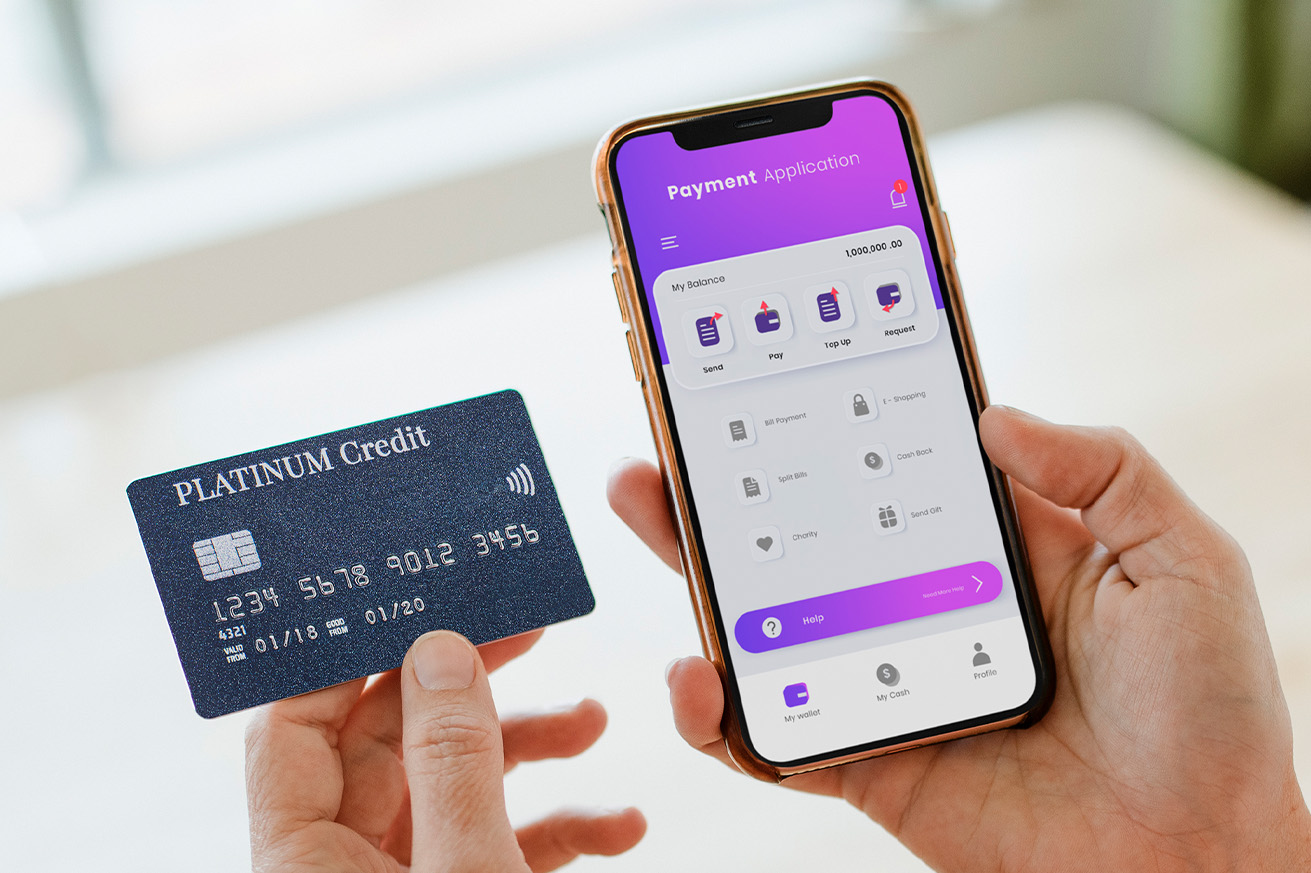
Whether you’re splitting the bill at a restaurant with friends, paying back your parents, or buying snacks at a sports event, it’s hard to beat the convenience of peer-to-peer payment apps like Venmo, Zelle, Google Pay, Cash App, and PayPal.
With these apps, you don’t have to worry about finding an ATM or carrying a wad of cash at all times. Instead, P2P apps are typically linked to your bank account and let you send or receive money instantly.
Win-win, right? Well, yes and no. There is no denying the speed and convenience of P2P apps. But they aren’t risk-free, so make sure you’re aware of potential pitfalls before you hit Send.
Once It’s Sent, It’s Gone
When you use peer-to-peer payments, all you need is someone’s username, email address, or phone number. You don’t know their account details, and they don’t know yours. Transfers are typically free and lightning-quick.
But before you fire off money, make sure you’re sending it to someone you know and trust. Because once that money is gone, it’s typically gone for good. There is little to no fraud protection with most P2P apps, unlike the protections that exist with traditional credit cards and bank accounts.
This means that if someone stiffs you on a purchase—like concert tickets that turn out to be fake or payment for a product that never arrives—there isn’t much you can do to get your money back. This is true even if you use an app like Zelle, which is commonly integrated with banks, because if you send the money, you’ve technically “authorized” the transaction.
Exercise major caution before using peer-to-peer payments with people you don’t know and remember it’s best to stick with friends and family.
Also: it’s unwise to keep a large balance in a peer-to-peer platform, even if the functionality feels similar to an online checking or savings account. Aside from Zelle, which is FDIC insured, there is no guarantee the money in other cash apps is held at an FDIC or NCUA member institution, which means you’ve got no guarantee the money is insured and protected by federal insurance.
The Consumer Financial Protection Bureau (CFPB) recommends that users avoid storing large amounts of money in non-bank payment apps. Set a reminder to regularly transfer balances to your linked account.
Check Twice, Send Once
Even if you’re sending payment to someone you know IRL, it’s still easy to mess up—are they HenrySmith21 or HenrySmith22? Double-check you’ve got the right person before you send a payment. You could send a small amount, like $1, to verify before following up with a larger payment. Or, if you’re sending payment for the first time, some apps, like Venmo, ask for the last four-digits of a person’s phone number.
Be extra careful with requested payments. Peer-to-peer apps are an easy target for scammers. (Venmo has a page specifically for common scams.) It may be obvious to not send money to people you don’t know, but double- or triple-check before paying requested amounts even from people you know. Scammers can easily impersonate someone from your social feed by changing their username and profile picture. Reach out to them outside the app to confirm that the request is legit.
Know Your Fees
There is no cost to send or receive money with many peer-to-peer apps, but most have fees for added services. For instance, most offer free balance transfer to your linked bank account within one to three days, but include a surcharge for instant transfer. This can vary from 0.5% to 1.75% of the deposit amount, depending on the app.
Peer-to-peer apps usually draw from the balance in your account or your linked bank account. But if you use a credit card to make P2P payments instead, you’ll be hit with a transaction fee, too. It may seem small, but those extra amounts add up over time.
Some P2P apps have rolled out “buy now, pay later” offers that let you pay for purchases over a set amount of weeks or months, often without interest. But even if these offers have no interest, there are usually penalties and interest for late payments, just like loans or credit cards. Stay on the repayment schedule or be prepared to shell out more cash over time.
Use Common Sense
With any payments that include social posts—like emoji-filled Venmo notes—act maturely and be smart about what you post. Even posts set to private can be used in legal disputes.
Make sure your P2P apps have password or other protections, like Face ID, so someone can’t pick up or “borrow” your phone and use the app to siphon money from your account. Yes, it happens.
It’s best to keep your running balance fairly low. Peer-to-peer apps aren’t a great place to store or save money. Don’t view them as a replacement for traditional bank or credit union accounts. Think of them instead as a convenient supplement, and be careful about how and when you use them.
Disclaimer
While we hope you find this content useful, it is only intended to serve as a starting point. Your next step is to speak with a qualified, licensed professional who can provide advice tailored to your individual circumstances. Nothing in this article, nor in any associated resources, should be construed as financial or legal advice. Furthermore, while we have made good faith efforts to ensure that the information presented was correct as of the date the content was prepared, we are unable to guarantee that it remains accurate today.Neither Banzai nor its sponsoring partners make any warranties or representations as to the accuracy, applicability, completeness, or suitability for any particular purpose of the information contained herein. Banzai and its sponsoring partners expressly disclaim any liability arising from the use or misuse of these materials and, by visiting this site, you agree to release Banzai and its sponsoring partners from any such liability. Do not rely upon the information provided in this content when making decisions regarding financial or legal matters without first consulting with a qualified, licensed professional.
Explore All The Ways We Can Help You Grow
-
 Article
Cybersecurity Awareness Month: Five Tips to Avoid Scams
October is Cybersecurity Awareness Month. Check out five tips to avoid scams and stay safe online, like using strong passwords and enabling MFA.
Keep Reading About Cybersecurity Awareness Month: Five Tips to Avoid Scams -
 Collection
Starting a New Job
New job. New benefits. New You. Start your job on the right foot and adjust your personal finances for your new income and benefits package.
Keep Reading About Starting a New Job -
 Article
Safeguard Your Credit for Free With a Credit Freeze
Data breaches can expose your personal information. Protect yourself and your credit with a credit freeze for free.
Keep Reading About Safeguard Your Credit for Free With a Credit Freeze
-
