- Personal
October 13, 2025
Understanding Your Credit History Report

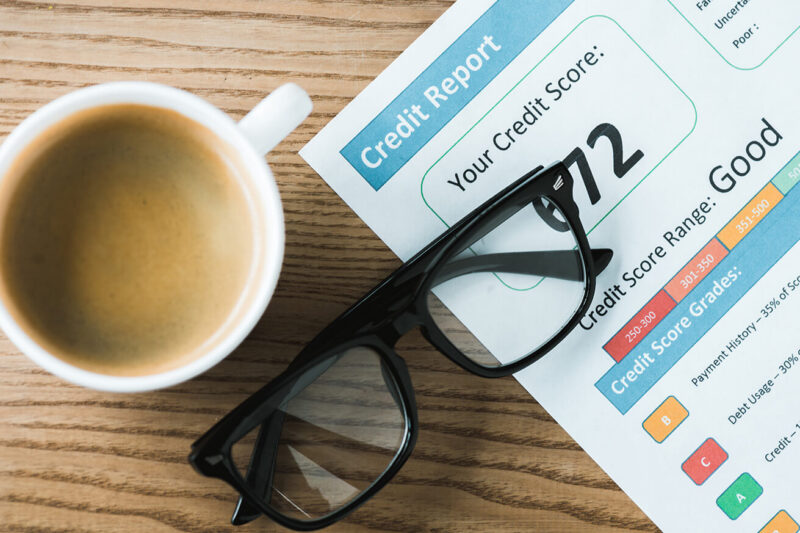
Your credit history is a crucial building block in the foundation of your finances. It tells the story of how you’ve used credit and outlines your financial borrowing and repayment history. You won’t actually find your credit history anywhere. Rather, you’ll see how the decisions you’ve made play out on a credit report from one of the three major credit bureaus—Experian, Equifax, and TransUnion. And your credit report informs your credit score, which is essentially a three-number summary of your credit report.
Your credit report is one of the primary tools lenders use to assess the financial risk of lending money to you. It impacts whether you’re approved for credit, when you apply, and the terms of the credit. Understanding how your financial decisions play into your credit report is crucial to your financial well-being.
Key Components of Your Credit Report
Your credit report includes the following components:
- Identifying Information: Your name, address (and previous addresses), Social Security number, and employment history
- Payment History: Whether you’ve made payments on time, late, in default, etc.
- Types of Credit: Information on the different types of accounts you have, like revolving credit on credit cards, installment loans like mortgages or auto loans, and the like.
- Current Debt: Your account balances and credit limits for those accounts, as well as utilization rates, which is how much credit you’re using compared to how much is available.
- Public Records: Includes bankruptcies, although that is less common on standard reports
- Inquiries: Which companies have pulled your credit report, either via a soft inquiry or a hard inquiry.
Soft vs. Hard Credit Inquiries
Credit inquiries—also called credit checks—are classified two ways: soft and hard. A soft credit check does not impact your credit score, but a hard credit check does. Both are on your credit report. Don’t panic if you see soft inquiries that you did not initiate. These can happen with or without your permission. For instance, from credit cards that are interested in sending you personalized offers. Soft credit checks are invisible to other lenders; only you can see them on your report. Hard credit inquiries happen only when you’ve given your approval and are apply for new credit in the form of a mortgage, card loan, credit card, etc.
How to Review Your Credit History Report
The official source of your credit report is AnnualCreditReport.com, which is the only site authorized by federal law to provide free weekly credit reports. This site is administered by the three major credit bureaus: Equifax, Experian, and TransUnion. You may also be able to check your credit report(s) via a credit card provider or another service, for a fee.
It’s recommended to check reports from all three credit bureaus at least once a year. But checking monthly or even weekly (it’s free!) is a good idea if you have the time. You’ll want to review your credit report for red flags as well as areas of improvement.
Red flags to look for:
- Misreported late payments
- Accounts that belong don’t to you
- Incorrect loan balances
- Hard inquiries you didn’t authorize
Areas for improvement:
- High-interest debt
- Lowering credit utilization
- Establishing a better credit mix
- Close accounts you no longer use
If you see any red flags on your credit report, immediately freeze your account. Work directly with the credit bureau if there are discrepancies with accounts that belong to you and are incorrect. But if you suspect identity theft, report that immediately to the FTC at IdentityTheft.gov.
Think of your credit history report as a living document of your financial responsibility. Take time today to review your reports, and set up a regular time to review them going forward.
Disclaimer
While we hope you find this content useful, it is only intended to serve as a starting point. Your next step is to speak with a qualified, licensed professional who can provide advice tailored to your individual circumstances. Nothing in this article, nor in any associated resources, should be construed as financial or legal advice. Furthermore, while we have made good faith efforts to ensure that the information presented was correct as of the date the content was prepared, we are unable to guarantee that it remains accurate today.Neither Banzai nor its sponsoring partners make any warranties or representations as to the accuracy, applicability, completeness, or suitability for any particular purpose of the information contained herein. Banzai and its sponsoring partners expressly disclaim any liability arising from the use or misuse of these materials and, by visiting this site, you agree to release Banzai and its sponsoring partners from any such liability. Do not rely upon the information provided in this content when making decisions regarding financial or legal matters without first consulting with a qualified, licensed professional.
Posted In: Credit
Explore All The Ways We Can Help You Grow
-
 Calculator
Student Loan Payoff Calculator
Estimate how additional monthly payments affect student loan payoff speed and total interest.
Keep Reading About Student Loan Payoff Calculator -
 Coach
Coach
How Do I Build Credit?
Learn how to build your credit score from scratch or boost your decent score.
Keep Reading About How Do I Build Credit? -
Article
Understanding Your Credit History Report
Your credit history is a crucial building block in the foundation of your finances. It tells the story of how you’ve used credit and outlines your financial borrowing and repayment history.
Keep Reading About Understanding Your Credit History Report
