- Personal
February 27, 2024
Teaching Tax Basics
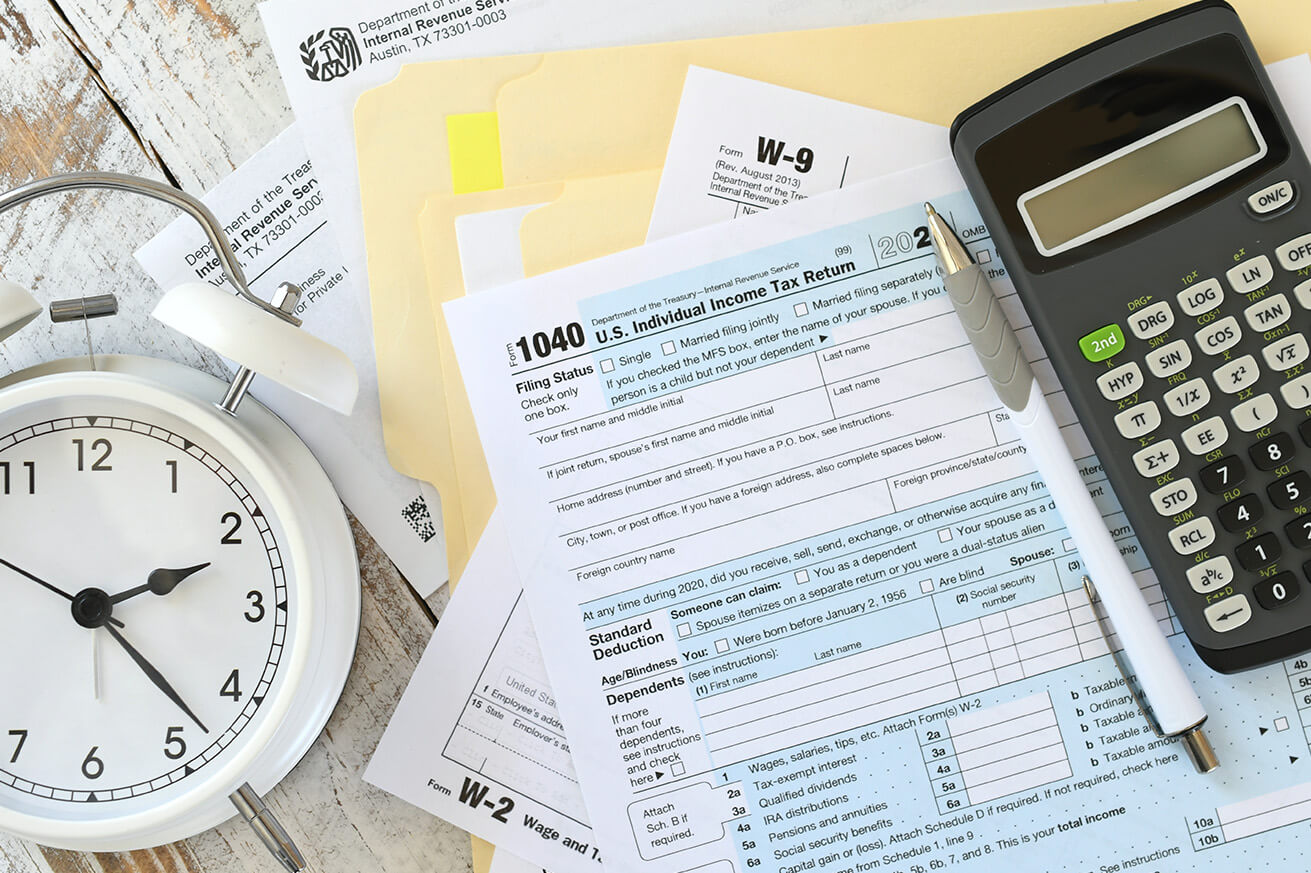
Looking for ways to teach students about income taxes, deductions, etc.? Good news! There are tons of great resources out there to help you do just that. Let’s start by looking at two very important points related to teaching taxes:
- What are taxes? Taxes are required payments to local and federal governments—businesses and US citizens alike. Though there are many forms of taxation, federal income taxes, state income taxes, and sales tax are some of the most commonly discussed.
- How are taxes used? Tax revenue provides service for a variety of government programs: military, national defense, social & public security, health care, etc. In simpler terms, taxes are used to fund, improve, and maintain public infrastructure and services.
Taxes are considered one of the more difficult lessons for students to comprehend in a class setting. And it could just be the fact that the intricacies of the topic prove difficult for students to understand and grasp in a lecture-based lesson.
Here are some ways to help students experience the concept of income taxes first-hand:
Simulate a “Tax” System with a Token Economy:
Assign a pretend salary to each student based on age-appropriate classroom chores: tidying up personal or play areas, passing out assignments, acting as classroom monitor, watering class plants, etc.
Discuss the concept of taxes and explain that a portion of their “salary” needs to be set aside for taxes. As you go, help them calculate and set aside a percentage of that salary, simulating the tax deduction. The rest of the money can be used to buy small treats or rewards.
To expand on that, use that hypothetical tax money to “buy” something big for the entire classroom—e.g., decorate the classroom and throw a party at the end of the allotted time period—to indicate that taxes are used to fund and improve things for everyone.
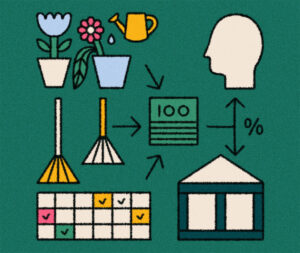 Illustration: Kseniia Puzrova
Take a Field Trip to a Local Government Office:
If it’s possible, visit a local government office so that students get an onsite experiential lesson that shows them how taxes support community services. You may even be able to arrange a quick chat with a representative and tour the building.
 Illustration: Kseniia Puzrova
No matter how you decide to teach tax-focused financial literacy topics in your class, relying on outside resources could make all the difference when ensuring your students truly absorb the material. And when they do start to grasp the concepts you teach, you can rest assured that they’ll enter the job force prepared and understanding why a portion of their paycheck is taken, what happens with that money, as well as how to manage the rest of the income they keep.
Disclaimer
While we hope you find this content useful, it is only intended to serve as a starting point. Your next step is to speak with a qualified, licensed professional who can provide advice tailored to your individual circumstances. Nothing in this article, nor in any associated resources, should be construed as financial or legal advice. Furthermore, while we have made good faith efforts to ensure that the information presented was correct as of the date the content was prepared, we are unable to guarantee that it remains accurate today.Neither Banzai nor its sponsoring partners make any warranties or representations as to the accuracy, applicability, completeness, or suitability for any particular purpose of the information contained herein. Banzai and its sponsoring partners expressly disclaim any liability arising from the use or misuse of these materials and, by visiting this site, you agree to release Banzai and its sponsoring partners from any such liability. Do not rely upon the information provided in this content when making decisions regarding financial or legal matters without first consulting with a qualified, licensed professional.
Posted In: General
Explore All The Ways We Can Help You Grow
-
 Article
Budgeting Basics: 3 Easy Steps to Take Control of Your Finances
Ready to take control of your money? Learn budgeting basics in 3 easy steps — track expenses, choose a plan and automate savings for success.
Keep Reading About Budgeting Basics: 3 Easy Steps to Take Control of Your Finances -
 Collection
Managing Illness
Illness can affect every part of your life, from your ability to work to navigating day-to-day tasks. Learn more about how to best manage the impact of an illness.
Keep Reading About Managing Illness -
 Article
Renter’s Insurance: What It Is and What It Covers
Learn what renter’s insurance is, what it covers, and why it’s essential for protecting your belongings and finances in a rental property. Get the details on coverage options and requirements.
Keep Reading About Renter’s Insurance: What It Is and What It Covers
