- Personal
April 10, 2021
Mortgage Application Checklist
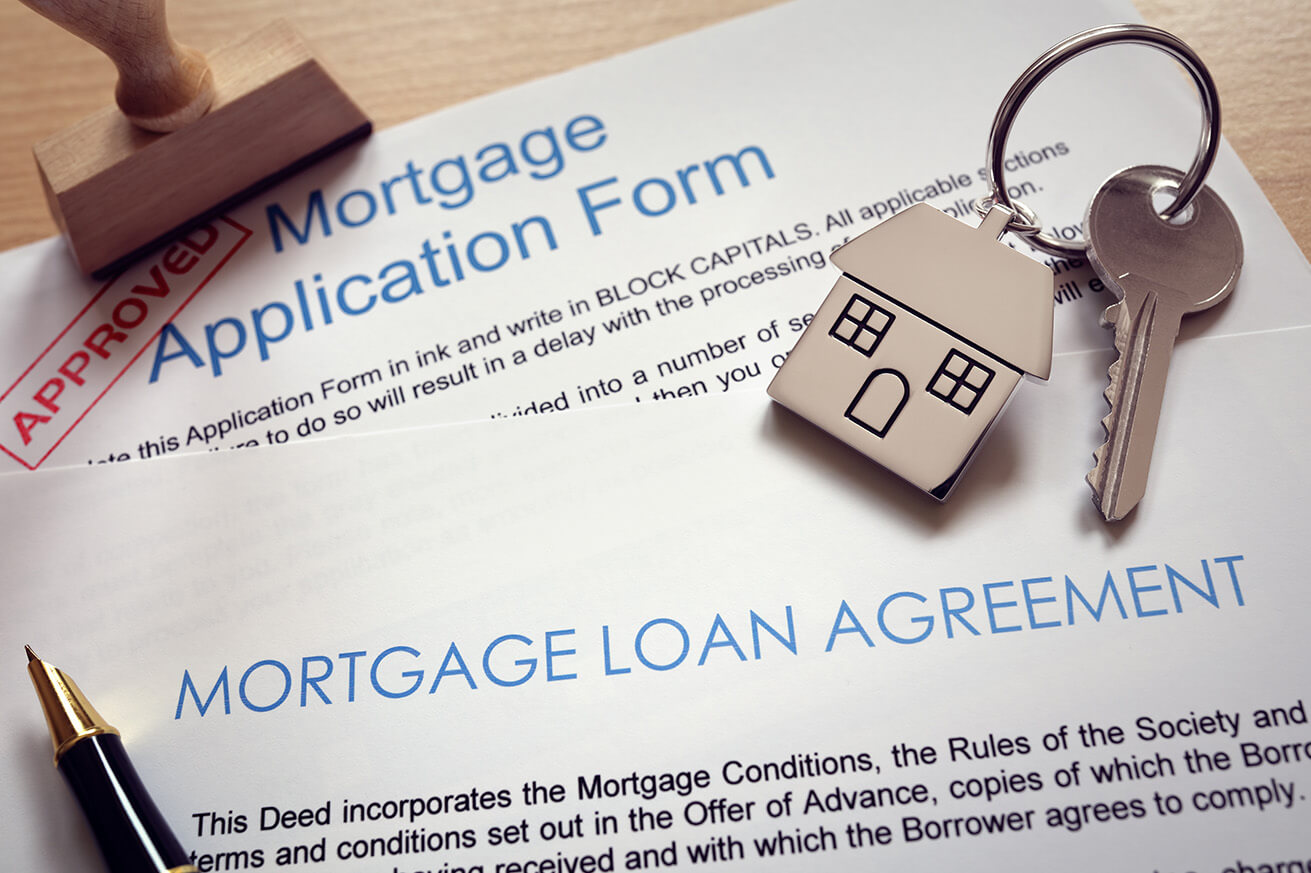
One of the most tedious parts of home buying is gathering the right documentation, but prepping beforehand makes it that much easier.
The documents required for a mortgage application can be categorized by type: Proof of Income/Employment, Proof of Assets, Credit History, and Residential History. These give potential lenders a glimpse into your situation so they see whether you’re a worthy borrower or not. Here’s a comprehensive mortgage application checklist to help you prepare for the lending process.
Employment/Income
As you might have expected, income plays a significant role in a lender’s decision-making process. Multiple documents are needed to prove you can afford the payments.
Tax returns. Many lenders require at least two years of tax returns & W-2s to prove income stability. Check with your employer or the IRS if you don’t have these available.
Pay Stubs. Lenders usually ask for pay stubs from the last 30 days to demonstrate how much you’re currently making or have made in the past.
Alternative Forms. Other sources of income like child support, social security, disability, etc. might need to be proven through direct deposit information instead of a pay stub.
Employment Letter. This letter confirms your hire date and employment status for extra assurance that you’re honest about what you do.
Employer Contact Information. A lender may request a contact list with the company names, addresses, former bosses, HR representatives, and contact information.
 Illustration:Ollie Hoff
Assets
The lender will look at assets to see how much cash is available to you if something were to happen and you couldn’t pay for the mortgage. As proof of your assets, they’ll look for the following documents:
Bank Statements. Lenders will ask for bank statements that cover the last 30-60 days, proving what is deposited and taken out of your account every month.
Proof of Property. If you own another home/property, be prepared to provide proof of ownership.
Gift Letters. Written documentation that proves money given to you is a gift specifically to pay for your new home and not a loan.
Credit & Other Information
Credit History. A lender will want to make sure you’ve been consistent with your past payments in order to know that you are trustworthy and can take on the responsibility of another major monthly expense.
Credit Report. Lenders will pull your credit report to check your credit worthiness.
Residential/Renting History. This is helpful if you lack an extensive credit history and necessary if you’ve never owned a home.
Proof of Rent Payments. Lenders may require proof from your previous landlord that you are able to make on-time payments. To get this, you’ll need either printed or digital physical statements from your housing office or landlord.
List of Previous Addresses. Be prepared to provide a list of all past addresses as well as names of past landlords and their contact information.
By preparing these documents ahead of time, you’ll likely stress less and have a better experience than if you started the home-buying process empty-handed.
Disclaimer
While we hope you find this content useful, it is only intended to serve as a starting point. Your next step is to speak with a qualified, licensed professional who can provide advice tailored to your individual circumstances. Nothing in this article, nor in any associated resources, should be construed as financial or legal advice. Furthermore, while we have made good faith efforts to ensure that the information presented was correct as of the date the content was prepared, we are unable to guarantee that it remains accurate today.Neither Banzai nor its sponsoring partners make any warranties or representations as to the accuracy, applicability, completeness, or suitability for any particular purpose of the information contained herein. Banzai and its sponsoring partners expressly disclaim any liability arising from the use or misuse of these materials and, by visiting this site, you agree to release Banzai and its sponsoring partners from any such liability. Do not rely upon the information provided in this content when making decisions regarding financial or legal matters without first consulting with a qualified, licensed professional. This article does not offer professional tax advice. Contact a tax advisor for more details.
Posted In: Home
Explore All The Ways We Can Help You Grow
-
 Article
Insuring Your Home
Protect your home and belongings with homeowner's insurance.
Keep Reading About Insuring Your Home -
 Article
Stuck With High-Interest Debt? Get Lower Interest Rates With A Debt Consolidation Refinance
Is a debt consolidation refinance right for you? If you’ve got equity in your home but struggle with high-interest debt, consider debt consolidation.
Keep Reading About Stuck With High-Interest Debt? Get Lower Interest Rates With A Debt Consolidation Refinance -
 Collection
Buying a House
The process of buying a house is riddled with specific terminology and important decisions. Set yourself up for success by studying the ins and outs of the process.
Keep Reading About Buying a House
-
