- Personal
- Membership
- Membership
- Rates & Fees
- Checking
- Checking
- Personal Loans
- Personal Loans
- Wealth Management
- Investment Services
- Financial Advisors
- Resource Center
- Business
November 7, 2025
Credit Scores
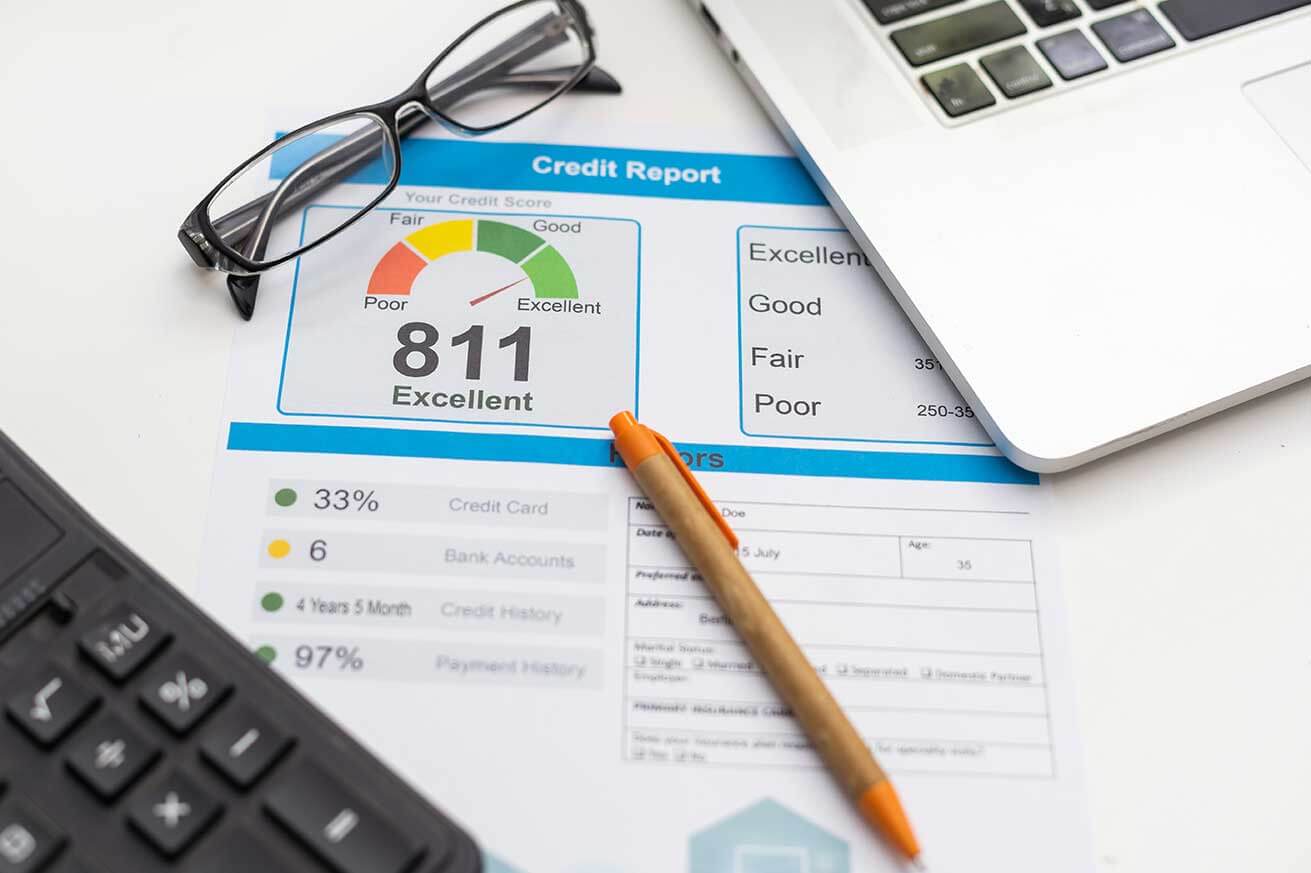
Your credit score may seem random, but it tells lenders and other creditors a lot about your financial behavior. It’s calculated from a mix of factors in your credit report and suggests how likely you are to fulfill financial obligations, such as a lease or loan.
What is a Credit Score?
A typical credit score falls somewhere between 300 and 850 (though some industry specific ones could go as low as 250 or high as 900). The higher the number, the better your credit history. A score of 670 or higher is considered “very good,” but the average score nationwide is around 700. Keep in mind that older people tend to have higher credit scores than younger people, often simply because they’ve had a longer time to accumulate credit use.
How a Credit Score is Used
Your credit score can be used by lenders, creditors, and even insurance companies to gauge your creditworthiness. The more “creditworthy” you are, the easier and cheaper it is to borrow money, secure insurance, and qualify for lower interest rates.
Landlords may do a credit check (which may not include your credit score directly, but includes information about how you use credit) to assess how responsible you are and decide whether to rent you an apartment. In short, a good credit score and a responsible history of using credit matters.
What’s Included in Your Credit Score
Technically, you have several different credit scores—one from each of the main credit bureaus, Experian, Equifax, and TransUnion. Each of these bureaus collects data on your financial behavior and uses it to calculate a dynamic score that changes based on the information they have and even the date you check it.
Your credit score is constantly changing based on these factors and their approximate weights:
- Payment history (35%)
- Amount owed (30%)
- Account length (15%)
- Mix of accounts types (10%)
- New credit (10%)
What’s Not Included in Your Credit Score
Your saving and checking account balances, income, and buying habits don’t factor in your credit score—although lenders may use some info, like income, elsewhere on a credit application.
Assets like a car purchased without a loan won’t appear, either. There’s also no personal info like your marital status, race, or religious and political affiliations.
In the past, credit reports sometimes contained public records like tax liens, parking tickets, and the like, but they don’t anymore.
How to Improve Your Credit Score
The best way to boost your credit score is to manage your payment history. Pay on time, in full, and avoid late or missed payments. To do this, only spend what you can afford and don’t run balances too high or overextend yourself with loan payments. Staying below your credit limit can also help you get and keep a good credit score.
You may think that the best way to keep your credit score high is to avoid using credit, but that’s not true. Not using credit at all can damage your score, just like using too much credit does. Balance is key.
Where Did Credit Scores Come From?
Credit scores weren’t standardized until 1989. Before that, businesses used credit reporting methods that were a lot more subjective and based on character assessments and things like age, race, and marital status—all factors that are absent from today’s credit reports in favor of analytical models.
In the 1960s, there were thousands of credit bureaus. That number eventually shrank to three major bureaus. In 1989, the Fair Isaac Corporation introduced a credit scoring model and the first generalizable credit score—the FICO score, which is still used today. In the mid-1990s, mortgage guarantors Fannie Mae and Freddie Mac integrated FICO scores as part of their mortgage decision-making, and credit scores were entrenched into the modern-day financial process.
Boost Your Score Starting Now
Sometimes, you’ve got to spend money to make money, and the same is true for credit scores. You can’t buy a better credit score outright, but using credit wisely is a tried-and-true method for boosting your score over time.
Disclaimer
While we hope you find this content useful, it is only intended to serve as a starting point. Your next step is to speak with a qualified, licensed professional who can provide advice tailored to your individual circumstances. Nothing in this article, nor in any associated resources, should be construed as financial or legal advice. Furthermore, while we have made good faith efforts to ensure that the information presented was correct as of the date the content was prepared, we are unable to guarantee that it remains accurate today.Neither Banzai nor its sponsoring partners make any warranties or representations as to the accuracy, applicability, completeness, or suitability for any particular purpose of the information contained herein. Banzai and its sponsoring partners expressly disclaim any liability arising from the use or misuse of these materials and, by visiting this site, you agree to release Banzai and its sponsoring partners from any such liability. Do not rely upon the information provided in this content when making decisions regarding financial or legal matters without first consulting with a qualified, licensed professional.
Posted In: Credit
Explore All The Ways We Can Help You Grow
-
 Article
Borrowing Basics: How Loans Work
Debt often carries a negative reputation, but borrowing can be a practical and even strategic part of managing your finances. The key is understanding how loans work so you can borrow with purpose, repay with confidence, and protect your credit health.
Keep Reading About Borrowing Basics: How Loans Work -
 Calculator
Student Loan Payoff Calculator
Estimate how additional monthly payments affect student loan payoff speed and total interest.
Keep Reading About Student Loan Payoff Calculator -
 Article
Debt-to-Income Ratio: A Key Metric for Your Financial Health
If you want to quickly check your financial pulse, your debt-to-income ratio is a key way to do that.
Keep Reading About Debt-to-Income Ratio: A Key Metric for Your Financial Health