- Personal
- Membership
- Membership
- Rates & Fees
- Checking
- Checking
- Personal Loans
- Personal Loans
- Wealth Management
- Investment Services
- Financial Advisors
- Resource Center
- Business
September 18, 2024
6 Things You Should Do for Your Finances After a Natural Disaster
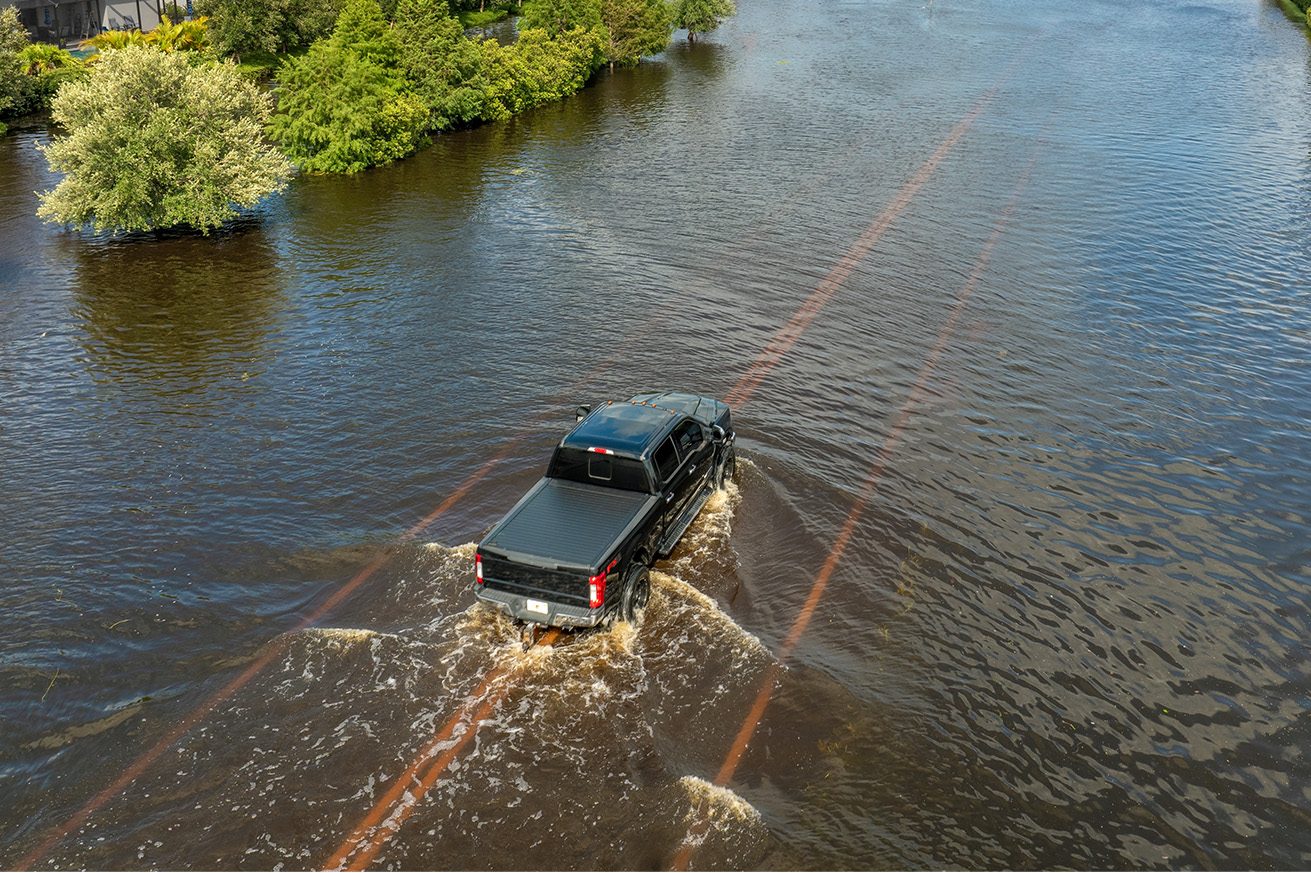
Natural disasters have an undeniable impact on your finances. How will you afford repairs or lodging if your home was damaged? What things do you need to be aware of moving forward? How can you ensure your finances get back to normal once everything settles? Learn 6 of the most important aspects you should consider as you repair and protect your finances.
1. Seek Out Natural Disaster Recovery Services
If you’re in immediate need, your local Red Cross Chapter and other local organizations can provide aid, shelter, clothing, or food. This page can help you find open shelters and available relief services.
Once you’re safe and secure, you can look into more long term natural disaster recovery services. There are multiple other agencies that can assist with this, but here are just a few available to those in presidentially declared disaster areas:
- Disaster assistance from FEMA: FEMA (the Federal Emergency Management Agency) can provide various forms of assistance, including lodging reimbursement, home repair, medical and funeral assistance, and more. Get more information and apply for assistance at DisasterAssistance.gov.
- Disaster Supplemental Nutrition Assistance Program (D-Snap) disaster food relief: If you live in a state with an individual assistance declaration from the president and a disaster has caused you to lose income or incur costly expenses, you may be able to get funds on an EBT card to pay for food. Apply with the SNAP office in your state.
- SBA Disaster Loan: You may be able to get a low interest SBA disaster loan if your business or home was damaged in a natural disaster. In order to apply, you must first register for FEMA aid at DisasterAssistance.gov, then you can apply online, in person at a Disaster Recovery Center, or by mail.
- Unemployment benefits: You may be eligible to receive unemployment benefits if you lost your job, cannot get to your job, or cannot work because of a disaster. Apply with your state’s unemployment agency.
If your area isn’t a presidentially declared disaster, you may still be able to get assistance from your state emergency management agency.
2. Contact Your Insurance and Document the Damage
If your insured property was damaged in the disaster, you may need to file a claim within a certain period of time. How you do that will vary by company, so be sure to reach out to your agent or check the insurance company’s website as soon as possible. In the meantime, take extensive pictures and videos of the damaged property if at all possible. If you have to do any temporary repairs yourself in the meantime, be sure to take photos before and after. These will all be vital as you submit your claim. Keep all receipts from any expenses you incurred because of the natural disaster, including lodging and supplies. Finally, if you plan to claim anything that is broken and needs to be replaced, do not throw it away until the insurance adjuster has visited your home, and you’ve spoken about that item specifically.
3. Watch Out for Scams
It’s not uncommon for fraudsters to take advantage of those dealing with the complications of a natural disaster. You may be approached by someone claiming to represent the government or a fake charity. Watch out for those asking for payments or personal information up front for relief services, or those pressuring you to sign or pay quickly–that’s usually a sign they don’t want to give you time to do your research. Always be cautious before giving away your information, and check the FEMA website for up-to-date information about scams and assistance in your area. This article from the CFPB goes over more in depth ways to spot and avoid scams after a disaster.
4. Reach Out to Your Lenders
If a disaster has made it difficult for you to make payments on loans, including your mortgage, auto loans, or student loans, reach out to your service providers. They may be able to offer assistance such as forbearance (temporary pause on payment requirements) or waiving late fees. Whatever you decide on with your lender, be sure to get the agreement in writing. This can help avoid any potential misunderstandings or miscommunication, as well as provide evidence if something doesn’t happen as expected. You’ll also want to ask how this assistance will impact your credit report. As time passes, make sure that you monitor your credit to ensure that everything shows up correctly.
5. Replace Lost Documents
If you’ve lost important documents due to a natural disaster (such as birth certificates, social security cards, insurance policies, tax records, etc.), you’ll want to go about replacing them as quickly as possible. In most instances, you’ll need to reach out to the issuing agency. That would be your lending institution for your mortgage information, the local records department for titles to deeds, and your state Bureau of Records for birth, death, or marriage certificates. You can find more information and specifics here.
6. Understand Tax Implications
If you’re in a presidentially declared disaster area, the most common form of assistance is an extension for filing and paying your taxes. Most often you won’t need to do anything to qualify for this, it will apply to you automatically.
One thing to keep in mind as you navigate a natural disaster is documenting any assistance and insurance payments you receive. Assistance from FEMA is not taxable as income and will not impact your status for things like social security, Medicaid, or SNAP. The IRS states that “qualified disaster relief payments are not counted as income as long as the reimbursed expense is not also paid by insurance or other reimbursement.” A qualified disaster payment, essentially, is anything for reasonable and necessary medical and dental, property repair or replacement, housing, funeral, or living expenses. Visit this page from FEMA for more information about what qualifies.
You may be able to deduct a casualty loss on your taxes if the natural disaster caused you to experience a sudden loss that was not covered by insurance. And if you need funds quickly due to a natural disaster, you may be able to file an amended tax return for the previous year and quickly get your refund, rather than waiting for this year to end. You can learn more information about submitting an amended tax return here.
To find out more about deadlines and tax relief options for your specific natural disaster, check this page from the IRS.
Natural disasters have obvious impacts on your life, property, and financial situation. By acting quickly and with the proper steps, you can help get the assistance you need and prepare your finances to get back on track as quickly as possible.
Disclaimer
While we hope you find this content useful, it is only intended to serve as a starting point. Your next step is to speak with a qualified, licensed professional who can provide advice tailored to your individual circumstances. Nothing in this article, nor in any associated resources, should be construed as financial or legal advice. Furthermore, while we have made good faith efforts to ensure that the information presented was correct as of the date the content was prepared, we are unable to guarantee that it remains accurate today.Neither Banzai nor its sponsoring partners make any warranties or representations as to the accuracy, applicability, completeness, or suitability for any particular purpose of the information contained herein. Banzai and its sponsoring partners expressly disclaim any liability arising from the use or misuse of these materials and, by visiting this site, you agree to release Banzai and its sponsoring partners from any such liability. Do not rely upon the information provided in this content when making decisions regarding financial or legal matters without first consulting with a qualified, licensed professional. This article does not offer professional tax advice. Contact a tax advisor for more details.
Posted In: General
Explore All The Ways We Can Help You Grow
-
 Article
Instant Payments at Grow Financial
With the new Instant Payments feature, powered by the Federal Reserve’s FedNow® Service and The Clearing House’s Real-Time Payments (RTP®) network, you can move your money faster than ever before — no more waiting around for standard transfers to clear.
Keep Reading About Instant Payments at Grow Financial -
 Article
Managing Household Finances: Six Tips To Save Money
If you’re struggling to get a better handle on your household finances, here are six ideas to help you save money.
Keep Reading About Managing Household Finances: Six Tips To Save Money -
 Article
Health Insurance Surprise Billing
Protect yourself against health insurance surprise billing by learning how to happens.
Keep Reading About Health Insurance Surprise Billing