- Personal
- Membership
- Membership
- Rates & Fees
- Checking
- Checking
- Personal Loans
- Personal Loans
- Wealth Management
- Investment Services
- Financial Advisors
- Resource Center
- Business
September 18, 2024
How to Prepare Your Home and Finances for a Natural Disaster
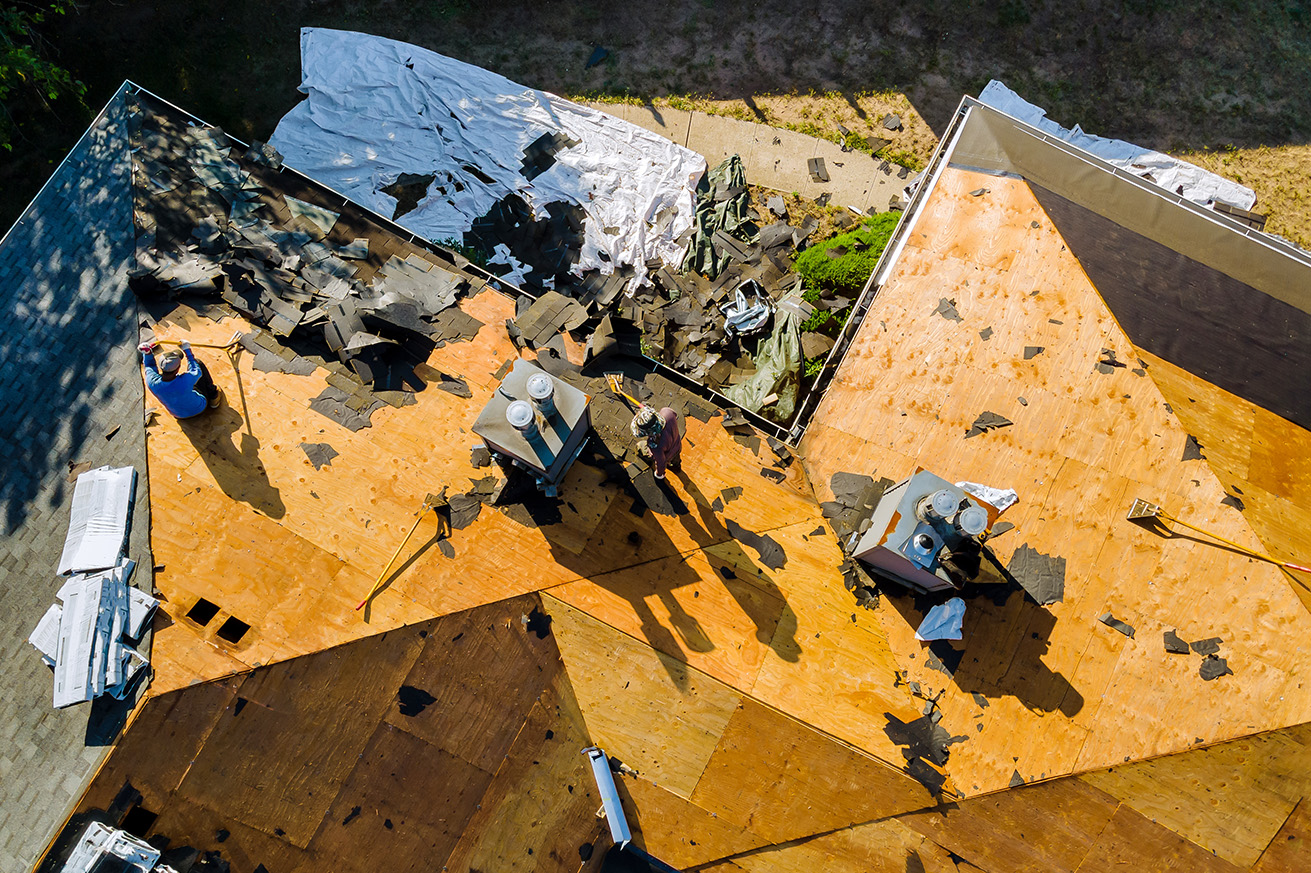 While It’s comfortable to assume you’ll never have to face natural disaster, it’s much better to prepare. With so much variability, it can be hard to prepare for different types of natural disasters. Luckily, there are steps you can take to ensure your finances, home, and family can bounce back as easily as possible.
The Cost of a Natural Disaster
Natural disasters can come in many shapes and sizes, including hurricanes, earthquakes, floods, and fires. Each has its own dangers and potential costs, including property damage, medical expenses, and loss of income. Of course, there are also less tangible impacts, such as coping with the emotional and financial challenges of a natural disaster. As you consider how to prep for a natural disaster, keep these potential damages in mind as you create your emergency preparedness plan.
Financial Preparations
Get Insurance or Review Your Policies
Having insurance is one of the most important things you can do to prepare for unexpected or dangerous situations, and natural disasters are no different. If you don’t already have insurance, you should consider getting one or all of the following types. And if you do, you should review your policy to ensure you understand what’s covered and what isn’t, as well as the associated costs.
- Home Insurance or Renter’s Insurance: Many standard home and renter’s insurance policies will cover damage from fire, lightning, wind, hail, and volcanic eruptions. It’s less common for those policies to cover mudslides, earthquakes, and floods. If you want those things covered, you may be able to add a rider for additional coverage (at an additional cost) or purchase standalone insurance. You can look up more information about flood insurance, specifically, through this page for the National Flood Insurance Program.
- Health Insurance: Due to the potential for injury during a natural disaster, it’s vital that you have health insurance to help cover the cost should something happen.
- Auto Insurance: Comprehensive auto insurance coverage is meant to cover things outside your control, which includes “acts of god” like natural disasters. Comprehensive coverage is generally quite a bit more expensive than standard car insurance, but can be worth it if you live in an area frequently impacted by natural disasters.
- Life Insurance: A death caused by a natural disaster is often covered by life insurance policies, but it’s wise to double-check the specifics of your policy or the policy you’re considering. If you or a loved one is killed in a natural disaster, life insurance can help cover hefty funeral or medical bills.
Build an Emergency Fund
An emergency fund is one of the most important things you can have when it comes to being ready for a natural disaster, as you never know what you may need. Experts recommend that you have an emergency fund large enough to cover at least 3-6 months of essential expenses that’s liquid (meaning easily accessible, like a savings account, rather than an investment account that you can’t withdraw from without penalties). If you’re concerned about natural disasters, you may consider creating an emergency fund that’s even larger so that you could support your essential expenses and pay for any necessary repairs should something happen.
Worried about saving up that much money? This Coach can help you create a plan to reach your goal.
The U.S. government also recommends having some cash on hand, as ATMs or debit and credit cards may not work during an emergency. You should not keep your entire emergency fund in cash, as there’s too high of a risk of it being lost, stolen or damaged, but a few hundred to a thousand dollars in cash (depending on your family size, location, and needs) set aside in a safe location could be very helpful in a pinch.
Create an Emergency Financial First Aid Kit
A first aid kit is meant to be an easily accessible resource for anything you need in a medical emergency. A financial first aid kit is the same, but for your important financial and personal documents and resources. Should a natural disaster happen, you want to be able to access these things easily. Some of these items include…
- Social security cards
- Passports
- Lease or rental agreements
- Household contacts
- Tax statements
- Medical information
The government recommends having two versions of your financial first aid kit: a paper version and a digital version. A paper version can be essential if you can’t access digital files in a disaster. These could be stored in a fire and waterproof safe, a safe deposit box, or somewhere similar. Your digital version should be password protected with a strong, unique password, and stored on a flash or hard drive or a secure online storage service. Since this information could be dangerous in the wrong hands, it’s vital that the information is stored safely. You should take every precaution to ensure only you and a few trusted friends or family members can access it.
You can see the full, in depth guide to building your emergency financial first aid kit from the government, including editable checklists of what items you should include, here
Other Preparations
Make a Plan
When a disaster strikes, you’ll want a plan for what to do. Take some time to read through the recommendations for specific kinds of natural disasters on Ready.gov. It provides guidance on things as small as a power outage (keep freezers and fridge doors closed to help trap in as much cold as possible, etc.) and as large as a flood or wildfire (know your evacuation zone and route, etc.).
Having a plan is key to ensuring that, should something happen, everyone knows what to do and where to go, especially if you aren’t able to communicate with other members of your family. This is often called a familiar emergency plan, but it can apply to you regardless of your living situation. Some things to consider including in your plan:
- Where will you go if you have to evacuate your home? It’s best to choose one place within walking distance of your home and one farther away in case the entire area needs to be evacuated.
- Who will be in charge of what task during an emergency? For example, you may decide that one person will pick up kids from school or daycare if they aren’t home and another will grab important documents and pets.
- Where can you shelter in place? In certain emergencies, it will be safer to stay indoors. Make a plan for where in your house you’ll go and communicate it with anyone living in the home, including children or grandparents. You should also talk to children about where they can go if they are at school or daycare, and consider where you’ll go at work. The specifics will vary depending on the type of emergency–during an earthquake, you’ll want to get under a desk or table and avoid areas where things could fall on you, and during a tornado, you’ll want to go into an interior room without windows on the lowest floor, ideally a basement.
- What are the safe places in your community? If you live in an area frequently impacted by natural disasters, your community has likely set up or designated specific safe areas for emergencies. For example, areas prone to flooding likely have designated high points that they recommend residents go to in an emergency. Check your city or county’s website to find more information. That way, should something happen, you aren’t trying to find this information while in the process of preparing to evacuate.
Create an Emergency Kit
You should have an on hand emergency kit that can support you and your family’s most essential needs for at least 3 full days (sometimes called a 72-hour kit) in an emergency. This emergency supply kit should include things like flashlights, a battery powered radio, first aid supplies, food and water, blankets, and sanitary supplies. The government has provided a more in depth list of items to fill your kit here.
The essentials of your kit should be easy to travel with–a backpack or other easily portable container is ideal. Your kit should be kept in a place that’s easy to get to in an emergency. Make sure everyone living in your house knows where your emergency kit is. Since the kit will contain perishables such as food and medication, it’s important to check the expiration dates and replaced spoiled items a few times a year. One easy way to build up your kit is to buy a premade one, or look for specialized food and water meant to have long shelf lives so that you don’t have to replace as often.
While you may not keep these items in your kit, there are plenty of other things you can have around the house to help in an emergency, such as fire extinguishers on every level of the home or ladders for upper levels in case someone needs to evacuate through a window. Consider what could happen in the case of a natural disaster and search for any items that may make it easier for you, your family, and your property to stay safe.
Planning for a natural disaster can feel uncomfortable or scary, but it’s always better to be over prepared. Your finances, property, and safety aren’t worth risking by leaving anything up to chance should something happen. By following the steps above, you can feel confident that, no matter what happens, you have an emergency preparedness plan in place.
Disclaimer
While we hope you find this content useful, it is only intended to serve as a starting point. Your next step is to speak with a qualified, licensed professional who can provide advice tailored to your individual circumstances. Nothing in this article, nor in any associated resources, should be construed as financial or legal advice. Furthermore, while we have made good faith efforts to ensure that the information presented was correct as of the date the content was prepared, we are unable to guarantee that it remains accurate today.Neither Banzai nor its sponsoring partners make any warranties or representations as to the accuracy, applicability, completeness, or suitability for any particular purpose of the information contained herein. Banzai and its sponsoring partners expressly disclaim any liability arising from the use or misuse of these materials and, by visiting this site, you agree to release Banzai and its sponsoring partners from any such liability. Do not rely upon the information provided in this content when making decisions regarding financial or legal matters without first consulting with a qualified, licensed professional.
Posted In: Home
Explore All The Ways We Can Help You Grow
-
 Article
To Buy or Not to Buy?
If you’re ready to change your living situation, you may be debating whether it’s better to rent or purchase your next home.
Keep Reading About To Buy or Not to Buy? -
 Article
Tackle High-Interest Debt with Home Equity
Paying off multiple debts can sometimes feel like an uphill battle. It’s hard to juggle various due dates, interest rates and payments. That’s where debt consolidation comes in. By pooling...
Keep Reading About Tackle High-Interest Debt with Home Equity -
 Article
Your Guide to Choosing a Mortgage
Choosing a mortgage? Grow has plenty of options with competitive rates and reliable, local service from our real estate loan team.
Keep Reading About Your Guide to Choosing a Mortgage